Shellpol® 971
Carbomer 971
Low viscosity · Long flow · 4,000–11,000 mPa·s
Low viscosity with a long, smooth flow. Shellpol 971 is used for light creams, pourable lotions, sprays and thin sanitiser gels, where a high-viscosity grade would be too stiff.
Specification
Typical values. Each batch’s certificate of analysis gives the tested results.
| Product | Shellpol 971 carbomer |
|---|---|
| Also known as | Carbomer (INCI name), carboxyvinyl polymer, cross-linked polyacrylic acid |
| Pharmacopoeia type | Carbomer Homopolymer Type A |
| Viscosity (0.5% in water, neutralised) | 4,000–11,000 mPa·s |
| Viscosity level | Low |
| Flow | Long |
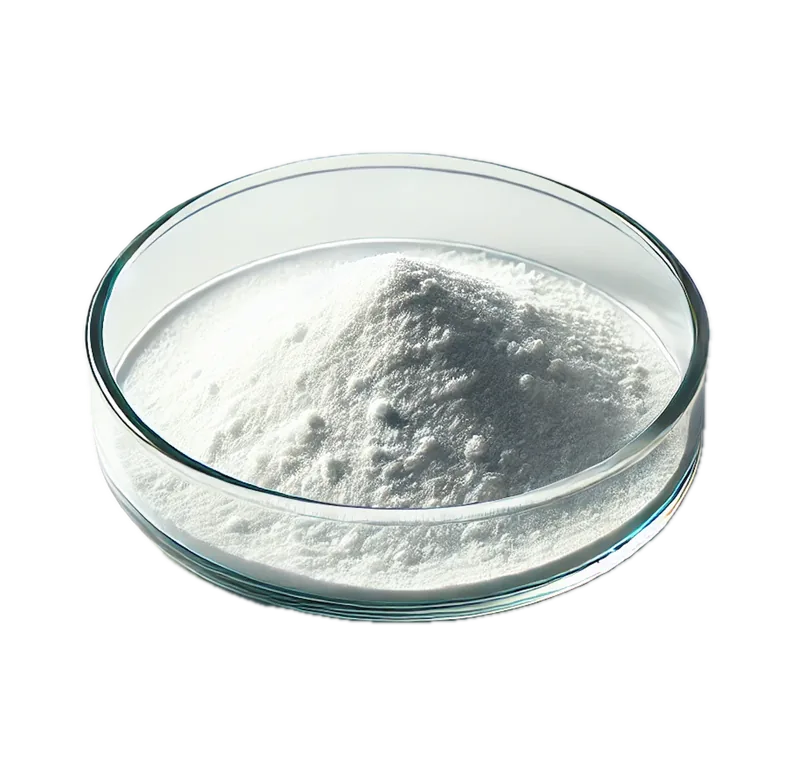
| Appearance | White, fluffy powder |
| Neutralise with | TEA, NaOH or other bases, to about pH 5–9 |
| Packing | Moisture-proof bags and drums |
| Storage | Cool, dry place, container closed |
| Documents | COA with every batch, MSDS; ISO 9001, Kosher and Halal certificate copies on request |
Typical uses
- Light creams and pourable lotions
- Sprayable products
- Thin hand sanitiser gels
- Emulsion stabilisation at low viscosity
How to use
Sift the powder slowly into the vortex of well-stirred water, let it hydrate fully, then add the base to thicken. Typical use levels are 0.1–1.0%. For neutraliser ratios or formulation advice, ask our technical team.
What is carbomer 971 used for?
Typical uses of Shellpol 971 are light creams and pourable lotions, sprayable products, thin hand sanitiser gels and emulsion stabilisation at low viscosity.
What is the viscosity of carbomer 971?
4,000–11,000 mPa·s at 0.5% in water after neutralising: a low-viscosity grade with a long flow. The certificate of analysis for each batch gives the tested value.
How do you thicken carbomer 971, and at what pH?
Sift the powder into well-stirred water and let it hydrate fully, then add a base such as TEA or NaOH. It thickens as it is neutralised, with the best viscosity at about pH 5–9. Typical use levels are 0.1–1.0%.
How is carbomer 971 different from 981 and 941?
They all have a long flow; the main difference is viscosity and typical use. 971: 4,000–11,000 mPa·s, for light creams, lotions, sprays and sanitiser gels. 981: 4,000–10,000 mPa·s, for low-viscosity clear gels and lotions, oral care, mucosal pharmaceuticals. 941: 4,000–11,000 mPa·s, for low-viscosity lotions and gels with a long, smooth flow; dermatological products.
Which pharmacopoeia type is carbomer 971?
Carbomer Homopolymer Type A. Our grades are made to IP, USP, BP and EP specifications where applicable, and the certificate of analysis states the standard each batch was tested against.
Can I get a sample and a COA for carbomer 971?
Yes. Samples are available for most grades: tell us your application and delivery country. Every batch ships with its certificate of analysis, and we provide the MSDS.
Pricing, samples or documents?
Share the grade, quantity and delivery country. We respond within one business day.